goddess white-armpitted see
panas tapi masih mau
mungkin nanti mampir papaya beli eclair
your nose pockmarked beauty

tinggal dikerok masuk angin
child-rearing magnifico hips
aku temukan rumah pohon untukmu
sungai dingin dahan onesie

at half trot kena lampu
maghrib bau lavender
rattled by the lush
pagar hitam menunggu

udah lama nggak ke pand'or
a sonnet to contain a hole
hut
aku datang untuk menonton tebu
orang lain tiba menjadi orang-orangan
ada burung menggenggam udara
dan ulat-ulat kecil di langit
udara setipis kertas
ada kepala-kepala berterbangan
emas meleleh di dalam dada
membeku menjadi punggung
ada bocah menunggu dinosaurus
ular melintas punggung kakinya
jalan lumpur perak purnama
siapa tahu besok malam
ia seorang pengkhayal kawakan
strip kuning di baretnya
apakah pa sudah berpulang
ada gubug di tengah jalan
select
three pears rot in a metal bowl. i’ve stopped washing my rice. i wish estraven had made it across the snow bog. some pages you just don’t understand. a distal phalanx gives you an entire universe. it was my fault/i forgive you. i do not forgive you. how many stars? how many ways of being dead inside? you write about galaxies in which i am an orbitless comet. oh you’re famous! the yellow livery of a blue jimny. tell your mum she’s the prettiest doctor in the district. it concerns miss ives and her hunky wolf/vampyre lord. i don’t know if i should be turned on or call the priest. the feeble church. a family of dawgs. i stood next to his open coffin for about ten minutes. a phalanx of baby brothers. the lord manifests as a banana boat.
against all odds, the waves crash into a grand theatre. they were dismantling the screen but behind it no not the dawn. how was warsaw, could you still hear the ambulance sirens from your bathtub? they say you make it sound like shakespeare. i think they meant shakespeare & co. he pronounced it “shaq-est-fear”. from this vantage point, my legs are two black stumps. louie louia, hey hey! expectation rewards. scraping the barrel of monkey brain sashimi. i hear you childe from under the table. this is a great quote that might make you feel better about being mediocre. automatically fit emotions to containment. the va-va-voom of the system. ya masalahnya he’s always saying all the right things. is idul fitri next week?
that was closer. start with l’éducation sentimentale then graduate to lovecraft. you’ve got the flattest ass in the universe! cute. have i reported back to the style council? how would i know dimension hatröss. one afternoon i rode my bmx with my dick hangin out. iniiii iniiiiiiiii. björk jabs her left fist when no one is looking. she wears a pussy mask. the fastest kid over 100 meters clips my right heel with his left foot. i have to go to the post office, work out shipping for a pair of galoshes to ljubljana. if you want to control people, never let them sleep. unsettle, then revolt. i kept thinking brody would come back coz i read in in cold blood that when you hang the heart might not stop completely until 20 or so minutes after the fact. the manikins made of bamboo.
nibi-iro
you’re in rude health
a bubble protected by maiming
a universe of malice
milk blooms in a gutter
respite is rare
death undoes so many
glue yourself to your screen
Sastra Indonesia tidak perlu makelar-makelar kulit putih
oleh Theodora Sarah Abigail
diterjemahkan oleh Mikael Johani
Penulis Indonesia sudah lama diwakili makelar-makelar kulit putih di panggung internasional. Masalahnya, apakah sebenarnya kita perlu mereka?
Banyak orang asing menyimpan gambaran di dalam kepala tentang Indonesia yang primitif, penuh kampung kumuh, sungai-sungai kotor dan gunungan sampah. Jikapun mereka punya bayangan baik tentang Indonesia, paling terbatas gubuk bambu, sawah hijau, dan gambaran khas pedesaan yang lain. Indonesia yang telah difilter, kemudian dipresentasikan oleh penerjemah asing dan organisasi-organisasi internasional penuh welas asih ini, mengamini bayangan sebuah negeri yang sepi dan damai, harum rempah-rempah dan bunga melati.
Tapi penulis-penulis Indonesia sendiri bercerita tentang sebuah negeri yang jauh berbeda. Dalam buku-buku mereka, Indonesia penuh dengan kota yang hiruk-pikuk dan meriah, bandara bertembok kaca, museum penuh karya-karya seni. Kota-kota ini dijejali becak dan kopaja dan bis dan kereta; pesawat terbang tinggal landas hampir tiap menit. Penduduknya jatuh cinta di mal-mal raksasa, bersujud di masjid-masjid; mereka putus cinta di kedai kopi. Keluarga-keluarga berdansa hingga malam tiba, dan orang-orangnya ternyata tak banyak berbeda dari anda maupun saya.
Sastra Indonesia sekarang berjaya. Penerbit-penerbit independen merilis buku-buku baru yang mencampur aduk genre dan bahasa; dengan tambahan divisi-divisi baru khusus sastra, bahkan Gramedia, penerbit terbesar di negara ini, mulai jadi lebih berani. Di seluruh penjuru negeri, penulis-penulis menerbitkan buku dalam bahasa Indonesia dan Inggris (atau malah campuran keduanya), dan laris. Topik buku-buku ini sangat beragam: kehidupan kota di Jakarta, perempuan yang mencari rumahnya, cerita horor yang disulap jadi modern.
Jadi kenapa sampai sekarang kita masih juga menjumpai tulisan-tulisan yang menyayangkan betapa tidak populernya sastra Indonesia?
Bukan salah gue, bukan salah temen-temen gue
Ada memang orang yang bilang bahwa buku-buku Indonesia terlalu serius, terlalu disesaki masalah sejarah dan politik, dan terlalu peduli dengan masalah “identitas Indonesia”. Buku-buku yang terlalu menakutkan dan rumit buat pembaca awam. Namun, untuk mengerti benar-benar sebuah buku memang diperlukan—diharuskan—untuk mengerti konteks sosial-budayanya.
Selama berpuluh-puluh tahun, sastra Inggris dan Amerika telah diekspor ke seluruh penjuru dunia tanpa perlu diubah. Pembaca menerima saja bahwa untuk mengerti secara dalam karya sastra dalam bahasa Inggris, mereka harus bisa menganalisanya dengan benar—bahkan anak-anak SMA di Amerika Serikat yang diberi tugas membaca The Great Gatsby atau Tom Sawyer atau To Kill a Mockingbird akan diajari buku itu diterbitkan di era apa, lingkungan sekelilingnya seperti apa, dan apa arti motif-motif di dalamnya menurut budaya waktu itu. Bisa mengerti karya-karya klasik ini jadi sesuatu yang dianggap terhormat dan membanggakan.
Karena ini, sepertinya tidak adil dan munafik jika konsumen dan penerbit menganaktirikan sastra Indonesia dengan alasan “terlalu rumit”. Memang lebih gampang menyalahkan penulis Indonesia karena mereka mengarang karya-karya yang terlalu menakutkan, tapi apakah benar buku-buku mereka, dan terjemahannya, benar-benar tidak bisa dimengerti, atau sebenarnya pembaca yang hanya bisa berbahasa Inggris terlalu manja?
Menghapus ke-Indonesia-an
Saat mencari pembuktian (dan penerbit) di luar negeri, banyak penulis Indonesia diberi tekanan untuk memperindah Indonesia yang ada dalam diri mereka, membuatnya lebih gampang dicerna. Terlalu banyak materi sejarah dan politik bisa menakutkan buat pembaca Barat yang miris; terlalu sedikit nanti dia bosan. Hmmm, mungkin pembaca Barat tetap lebih memilih membaca cerita yang mempertebal keyakinannya bahwa negeri-negeri asing memang aneh dan berbeda, tapi juga harus selalu indah dan manis.
Modifikasi dan penghapusan seperti ini terjadi di mana-mana. Masakan Cina, misalnya, sering diadaptasi (aka, dibikin hambar) supaya lebih sesuai dengan lidah barat. Proses ini telah berlangsung beratus tahun dan hasilnya adalah masakan Cina cepat saji yang rasanya kadang mengerikan. Hanya karena kita begitu putus asa untuk menemukan pengakuan dan popularitas di dunia berbahasa Inggris, apakah pantas mengorbankan sastra Indonesia dengan mengubahnya jadi seperti masakan Cina cepat saji yang palsu dan dimanis-maniskan?
Suara asli penulis Indonesia bisa jadi tidak terdengar seperti yang diharapkan dunia barat. Dan ini sudah semestinya, karena ini berarti ide-ide yang tidak akurat dan terlanjur dibentuk tentang Indonesia bisa mulai dibongkar. Bukan kewajiban penulis Indonesia untuk mengais-ngais posisi yang lebih mendunia dan nyaman. Justru, kita harus menyemangati pembaca agar mereka mau menerima perspektif dan pengalaman yang berbeda dari yang dialami sendiri—berusaha sendiri seperti orang lain untuk membentuk kanon sastra mereka.
Penerjemahan sebagai aksi politik
Penerjemahan, seperti juga menulis, adalah sebuah aksi politik—sebuah hal yang bisa mempunyai konsekuensi panjang, membentuk perspektif mendunia tentang sebuah bahasa atau negara yang bisa bertahan beratus tahun. Penerjemah adalah duta besar; ia juga senjata.
Anggapan bahwa sastra Indonesia tidak populer di luar negeri karena tidak ada cukup penerjemah bertaraf “sastra” (yang sering diartikan sebagai seorang “native speaker”) seharusnya jadi alasan tepat untuk mendukung bukan cuma penerjemah asli Indonesia, tapi juga siapa saja yang berniat mempelajari seni menerjemah. Pada akhirnya, ini adalah sebuah perdebatan tentang siapa yang menguasai naratif dan mengolah persepsi pembaca internasional tentang Indonesia; kita harus melangkah hati-hati.
(Jika orang khawatir dengan standar terjemahan sastra dari Indonesia ke Inggris, mungkin solusinya adalah mulai melatih penerjemah Inggris dan Indonesia untuk bekerja sama dengan adil dan supaya bisa menghasilkan terjemahan yang otentik.)
Jadi penting untuk mempermasalahkan siapa sebenarnya para penerjemah ini—sejarah mereka, latar belakang mereka, teknik yang mereka pakai, cara mereka berkomunikasi dan hubungan mereka dengan pengarang aslinya, apakah mereka mengerti arti di balik bagian atau kalimat ini dan itu, ideologi mereka. Faktor-faktor ini memberi warna kepada hasil terjemahan mereka; hasilnya belum tentu selalu indah.
Penerjemah yang dipuji-puji, diakui secara resmi, dan terkenal belum tentu akurat atau bagus; dalam beberapa kasus, pengarang aslinya malah mengeluh betapa karya mereka jadi begitu lain setelah dipegang oleh seorang penerjemah “berkualitas internasional”. Situasi tidak mengenakkan ini bisa terjadi bahkan dalam festival sastra internasional—dan sekali sebuah terjemahan yang asal-asalan terbit, bakal susah untuk ditarik kembali.
Yang penting, marilah kita hormati keinginan penulis Indonesia untuk diterjemahkan dengan cermat dan penuh rasa hormat pada karya aslinya, dan bukannya malah memanfaatkan mereka untuk kepentingan reputasi atau popularitas organisasi kita sendiri. Pada akhirnya, mana yang lebih penting? Portfolio seorang penerjemah, atau kebenaran dan kualitas yang terkandung dalam karya mereka? Terjemahan sastra sama berharganya dengan buku aslinya—mereka tidak seharusnya dianggap sebagai produk yang dikeluarkan hanya untuk memikat pembaca baru.
Sudut pandang makelar kulit putih
Jangan pernah lupa bahwa walaupun esai-esai yang diterbitkan National Centre for Writing fokusnya adalah sastra Indonesia, yang menulis tiga-tiganya adalah orang asing berkulit putih. Apakah penulis Indonesia tidak bisa dipercaya untuk bercerita sendiri dengan akurat tentang sastra Indonesia, sehingga kita memerlukan juru bicara kulit putih?
Banyak orang Indonesia yang sudah menginternalisasi anggapan bahwa yang kita sendiri hasilkan tidak akan dianggap bagus jika belum dipuji dan diakui oleh barat—oleh hadirin berbahasa Inggris, oleh penerbit internasional, oleh, sebutlah, “penjajah”. Setiap kali diberi remah-remah perhatian, kita berteriak bahagia dan saling mengingatkan, “Kita harus bersyukur!”
Tulisan-tulisan ini mengamini anggapan bahwa sastra Indonesia memang inferior karena penulis Indonesia tidak terlihat batang hidungnya di panggung internasional, tidak dicintai. Para penulis esai ini sepertinya tidak peduli jika sebuah buku sudah menjadi sebuah fenomena budaya di Indonesia atau memenangkan penghargaan nasional; asal sebuah karya tidak memenuhi ekspektasi barat, tidak bisa menarik perhatian pembaca barat, maka karya itu pasti jelek.
Kanon sastra Indonesia dipenuhi kehangatan dan sejarah, perang, perjuangan, dan perasaan-perasaan halus; fokus utama setiap kali menerbitkan atau menerjemahkan karya-karya ini di dunia internasional seharusnya adalah memastikan bagaimana cerita-cerita ini dinarasikan kembali dengan akurat dan penuh hormat kepada versi aslinya. Tapi yang sering terjadi, kita malah kerepotan memikirkan apakah mereka akan laris atau tidak; apakah mereka bisa diterima; apakah mereka terlalu eksotis; apakah mereka cukup eksotis, apakah mereka mencukupi nilai-nilai ideal barat yang terlanjur mendarah daging dalam diri kita sendiri.
Makelar gagal
John McGlynn, seorang penerjemah dan salah satu orang paling berkuasa dalam dunia sastra Indonesia, yang menguasai narasi tentang industri ini, menulis dalam esainya bahwa selama bertahun-tahun ia sudah mencoba, dan gagal, untuk membangkitkan minat penerbit berbahasa Inggris kepada sastra Indonesia. Akhirnya, di akhir 1980an, ia mendirikan Lontar, tadinya sebagai solusi fenomena “single fighters” (penerjemah bekerja sendiri di dalam sebuah ruang vakum, terisolasi dari yang lain). Sejak itu, katanya, Lontar “berdedikasi mempromosikan dan memproduksi terjemahan sastra Indonesia, mengambil peran penerbit komersil untuk menciptakan kanon sastra Indonesia dalam bahasa Inggris”.
Organisasi ini sekarang sudah menerbitkan ratusan judul; bekerja sama dengan pemerintah Indonesia untuk menciptakan badan pendanaan seperti LitRI yang memberikan bantuan penerjemahan sastra Indonesia ke dalam bahasa asing. John McGlynn sendiri menggenggam kekuasaan yang besar: menurut ceritanya, ia telah bertemu dengan wakil-wakil badan pendanaan terjemahan nasional dari negara seperti Korea Selatan, Polandia, dan Belanda, “dan itu baru sebagian”. Ia juga menjadi pengawas program-program Pendanaan Penerjemahan Sastra Komite Buku Nasional. Intinya, ia punya banyak suara dalam menentukan ke mana bantuan dana akan dialirkan dan siapa yang akan menerimanya.
Bukankah seharusnya sekarang ia bisa menjalankan visi-visinya dengan lancar? Bukankah seharusnya ia sudah mampu menarik perhatian komunitas internasional, membuat sastra Indonesia makin terjangkau?
Tapi kelihatannya tidak, karena meskipun katanya Lontar sekarang begitu berkuasa, kita masih saja menjumpai tulisan-tulisan yang menyayangkan tidak hadirnya sastra Indonesia di panggung dunia.
Tidak dicintai dan tidak kemana-mana? Masa?
Tapi jangan berpikir terlalu jauh dulu. Hal pertama yang harus kita lakukan adalah mempertanyakan apakah asumsi bahwa sastra Indonesia tidak dicintai dan tidak ada yang peduli benar atau tidak. Mari kita melihat dunia di luar Lontar dan organisasi asing lain.
Di tahun 2015, novel Eka Kurniawan “Cantik Itu Luka” diterjemahkan menjadi “Beauty Is a Wound” oleh Annie Tucker dan dirilis oleh penerbit bereputasi sastrawi di Amerika Serikat, New Directions. Buku ini sekarang telah diterjemahkan ke dalam 33 bahasa. Novel Eka yang kedua, “Man Tiger”, diterbitkan oleh Verso Books dan masuk dalam daftar panjang Man Booker Prize tahun 2016.
Kumpulan puisi Norman Erikson Pasaribu, “Sergius Mencari Bacchus”, menjadi juara pertama lomba manuskrip puisi Dewan Kesenian Jakarta tahun 2015. Setelah diterjemahkan oleh Tiffany Tsao menjadi “Sergius Seeks Bacchus”, buku Noman memenangkan penghargaan PEN Translates; buku ini akan diterbitkan oleh Tilted Axis Press di Inggris pada tahun 2019.
Cerpen-cerpen Intan Paramaditha telah diterjemahkan oleh Stephen J. Epstein dan dikumpulkan dalam kumcer “Apple and Knife”. Di Inggris, buku ini diterbitkan oleh Penguin/Harvill Secker; di Australia diterbitkan oleh Brow Books.
Penulis Indonesia sebenarnya sudah menoreh sukses di dunia internasional sejak era ‘90an. Saut Situmorang memenangkan penghargaan puisi dari Universitas Victoria di Wellington (1992) dan Universitas Auckland (1997) di Selandia Baru. Haikunya yang berbahasa Inggris, “such boredom”, menang juara satu dalam 1992 International Poetry Competition yang diselenggarakan New Zealand Poetry Society; puisi ini kemudian dikoleksi oleh Museum Haiku di Kyoto, Jepang.
Ada banyak lagi penulis Indonesia yang sudah diterjemahkan dan diterbitkan di luar negeri; ditambah lagi yang lain yang sering mendapatkan pujian di media online, baik nasional maupun internasional.
Tanpa harus disorot (atau tidak disorot sama sekali), gerakan-gerakan sastra akar rumput dan luar arus di seluruh penjuru Indonesia ramai merayakan sastra. Di manakah para penulis Indonesia? Mereka dari dulu di sini. Paviliun Puisi misalnya, yang digawangi Mikael Johani, Gratiagusti Chananya Rompas, Kezia Alaia, Mikhael Ray, dan Rendy Satrya, selalu penuh sesak. Energi kolektif yang kuat selalu terasa di bar jamu Paviliun 28 di Kebayoran Baru yang dipakai untuk acara ini. Komunitas seperti Lakoat Kujawas, yang berbasis di Mollo, Timor Tengah Selatan, dan didirikan oleh pengarang Indonesia Dicky Senda, membawa film dan sastra Indonesia supaya bisa dinikmati penduduk setempat.
Dan seterusnya: alihkode dan inovasi Saut diwarisi dan diperluas oleh penyair/penerjemah muda seperti Rara Rizal, Syarafina Vidyadhana, Eliza Vitri Handayani, dan Dwiputri Pertiwi. Penulis muda lain seperti Madina Malahayati Chumaera dan Ray Shabir mahir dalam menceritakan kisah-kisah urban dengan perspektif yang khas Indonesia. Kanon sastra Indonesia mungkin masih muda dalam soal umur, tapi kualitasnya menakjubkan dan tumbuh makin besar hampir tiap hari. Semua ini tidak menjadi kurang berharga atau bermanfaat hanya karena dunia barat tidak memperhatikan.
Jadi sekali lagi—kenapa kita masih juga menjumpai tulisan-tulisan pesimis yang giat menghapus cerita-cerita asli Indonesia beserta penulisnya sekaligus?? Kenapa makelar-makelar sastra kulit putih dan organisasi asing terus-menerus mempromosikan kepercayaan usang bahwa barat pasti benar, dan mempengaruhi pengarang untuk mendambakan popularitas internasional dengan mengorbankan otentisitas mereka? Kenapa organisasi seperti National Centre for Writing membantu akademisi kulit putih mempertahankan kuasa mereka atas Indonesia untuk mempromosikan narasi yang jauh dari lengkap? Bagaimana dengan perjuangan untuk kebhinekaan dan representasi yang lebih adil?
Apakah penerbit-penerbit dan organisasi-organisasi ini sadar bahwa ada sebuah negeri yang penuh cinta akan sastra; bahwa ada dunia lain di luar organisasi dan lingkaran elit mereka? Atau, apakah mereka dengan sengaja menyingkirkan kisah sukses orang lain demi mempromosikan kelompok mereka sendiri?
Esai-esai ini dipelajari di sekolah dan universitas di luar negeri; ada risiko mereka akan membuat generasi turun-temurun percaya ide usang bahwa Indonesia adalah negeri terbelakang yang sudah untung dihadiahi segelintir penerjemah kulit putih murah hati dan bahwa lebih sedikit lagi orang Indonesia yang peduli akan masalah ini. Penerbitan internasional seharusnya tidak lagi membiarkan orang asing bercerita tentang Indonesia, seakan-akan jadi wakil orang Indonesia sendiri. (Argumen bahwa publikasi internasional memerlukan tulisan dalam bahasa Inggris yang baik dan benar tidak lagi berlaku. Sekarang sudah begitu banyak penulis Indonesia yang berbahasa Inggris; banyak editor hebat; dan penerjemah selalu bisa dicari).
Sudah waktunya penulis Indonesia percaya dengan kekuatan mereka sendiri daripada membiarkan dunia menginterpretasi karya mereka. Mereka telah menuliskan kanon satra mereka sendiri—biarkan mereka sendiri yang membicarakannya, menyanyikannya, meneriakkannya.
Theodora Sarah Abigail adalah pengarang “Warchild” (2016), kumpulan puisi yang ia terbitkan sendiri, dan “In the Hands of a Mischievous God” (2017), sebuah kumpulan esai. Ia tinggal di Cikupa, Tangerang.
Kebaya or bolero: which one is more English?
Kebaya or bolero: which one is more English? investigates – after Said – the “configurations of power” between an Indonesian editor and his (American) English translator, and the effects their struggle for power had on the voice of the original author.
Keywords: bowdlerization, commercialism, editing, Indonesian, mistranslation, orientalism.
Cet article, intitulé « Kebaya ou Bolero: Lequel des deux mots est plus anglais ? » explore, suivant Said, les « configurations des rapports de force » entre un éditeur indonésien et son traducteur anglais (américain) et les effets de leur lutte de pouvoir sur la voix de l’auteur du texte original.
Mots clés : expurgation, mercantilisme, révision, indonésien, mauvaise traduction, orientalisme
First published in Vita Traductiva: Authorial and Editorial Voices in Translation, edited by Hanne Jansen and Anna Wegener, Éditions québécoises de l’œuvre, Montréal, 2013.
This is going to be a j’accuse of some sort. It will showcase the “high-handed executive attitude”1 of a translator and a native-speaker of English when he had to deal with being edited by an editor and a native-speaker of the language of the original work (Indonesian). I am the editor in question. Take it as another example of the empire writing back, sometimes with gusto. The point is to show, once again, that “the relationship between Occident [the translator] and Orient [the editor, me] is a relationship of power, of domination,”2 and its protreptic mission, via Said again, to convince that “ideas, cultures, and histories cannot seriously be understood or studied without their force, or more precisely their configurations of power, also being studied.”3
We will begin with an overview of the Indonesian literary scene when the translation, They Say I’m A Monkey, and the original collection of short-stories, Mereka Bilang, Saya Monyet! were produced, between 2002 and 2005.
Sastra Wangi/Fragrant literature
Djenar Maesa Ayu’s original collection of short stories in Indonesian, Mereka Bilang, Saya Monyet! was published in 2002, at the height of the ‘sastra wangi’ trend in Indonesia. Some (western) commentators – mostly Indonesianists and journalists – translated ‘sastra wangi’ as ‘fragrant literature,’ (mis)interpreting the word ‘wangi,’ which does mean ‘fragrant’, as referring to the quality of the writing produced by a new wave of writers, mostly, like Djenar,4 young(ish) women with precious little body of work.
The fact was that ‘sastra wangi’ was a pejorative term, coined by the older, mostly male and straight, guard of the Indonesian literary scene. ‘Wangi’ actually refers to the fact that this new wave of female writers were mostly young, good-looking women who, perhaps unlike the stereotypical impoverished, living-on-the-street, male Indonesian writers, are not averse to perfume. The suggestion was that the only thing ‘wangi’ about these writers was their body odour. Who knows (or cares) about their writing?
It was in this kind of atmosphere that the short stories in Mereka Bilang, Saya Monyet! were written and published in 2002. The translation itself, published by the boutique (read: struggling) imprint Metafor, appeared in 2005. Metafor, where I used to work as an editor, ran its business out of the chain import bookstore QB in Jakarta, Indonesia, publishing among others a series of English translations of classic Indonesian literature before it folded in the late 2000s.
The Translation Scene in Indonesia
Hardly any contemporary Indonesian literature is being translated into English. Metafor had a project of translating a few selected works, but had problems finding
the right translators, and the money to pay them. The English translation of the work which many think is the catalyst for the ‘sastra wangi’ movement, Saman by Ayu Utami, was published in the same year as the translation of Djenar’s book, even though its Indonesian original was first published in 1998 (by Gramedia, the same major publishing company that published Djenar’s book).
Saman was translated by a senior Indonesianist, Pam Allen from the University of Tasmania, Australia, and published by another struggling imprint based in Jakarta, Equinox. Apart from Metafor and Equinox, there was also Lontar Foundation, a non- profit publishing house which was more into releasing translations of classic works of Indonesian literature. Metafor has now gone bankrupt and Equinox is reduced to releasing books cobbled from old articles in Cornell University’s Indonesia journal. Lontar Foundation started its Modern Library of Indonesia series in October 2010. Currently, the catalog includes Sitti Nurbaya by Marah Rusli, a book originally published in 1922 and Salah Asuhan by Abdoel Moeis, first published in 1928.
When the translation of Djenar’s Mereka Bilang, Saya Monyet! was being prepared, there was only one Indonesian book in English translation still in print, Pramoedya Ananta Toer’s Buru Quartet (This Earth of Mankind, Child of All Nations, Footsteps and House of Glass),5 translated by Max Lane, originally published by Penguin Australia as paperbacks. It has since been available in hardcover from Hyperion and William Morrow in the U.S. and in paperback from Penguin USA. Pramoedya was the only Indonesian author published in translation by a major commercial publisher.
The Indonesian to English translation scene is, to cut the story short, non-existent. Indeed, the same thing could be said about the translation of Indonesian literary works
to any language. Indonesian literature, unlike Latin American literature or Japanese literature, is not ‘sexy’ (i.e. it won’t bring in any money).
Some people apparently thought that ‘sastra wangi’ could be (made) sexy. As Katrin Bandel pointed out in an essay critical of Ayu Utami’s pseudo-feminist writing,6 this enthusiasm had arisen out of the novelty that in both Saman and Mereka Bilang, Saya Monyet!, sexuality is discussed provocatively, something which was not the done thing for mainstream writers during Suharto’s New Order dictatorship, which ended in 1998. There were sadomasochistic fantasies, partner-swapping, lesbianism, bisexuality, and adultery in Saman. There were childhood trauma, sexual abuse, open critique of conventional gender relations in Mereka Bilang, Saya Monyet!7 Since that time, apart from Saman and Mereka Bilang, Saya Monyet!, only Fira Basuki’s Jendela-Jendela (The Windows) has been translated into English (Eka Kurniawan’s Cantik Itu Luka was translated into Japanese and Malaysian). That’s three books out of supposedly a whole new generation of writers. Perhaps, it was only the enthusiasm of two local publishers, Metafor’s Richard Oh and Equinox’s Mark Hanusz, which made the translations possible.
Lost in No Translation
This brings us to a slew of practical problems in translating Indonesian literature into English. First, apart from Pramoedya’s exceptional case, no big money has ever been made from it, which meant that in the mid-2000s there was never any offer from commercial English-language publishers to translate Indonesian literature. No one even bothered to offer an exploitative deal to obtain the world rights to a book by any Indonesian author.
Michael Nieto Garcia, Djenar’s translator, came to Indonesia from Cornell University to research new developments in the Indonesian publishing industry. He was the latest in a long line of Cornell Indonesianists to have come to Jakarta. The result of his research was later published as an essay in an academic journal.8 He made friends with Djenar and Richard Oh, who often hung out at one of Richard’s chain of independent bookshops called QB (Quality Books) in Jakarta. Richard Oh ran Metafor out of a warehouse in one of the QB shops. Garcia offered to translate Djenar’s book, and Metafor gave him a deal which would only pay him royalties (no advance) but gave him the final say in the translation, a condition which was written into his contract.
When I came to work for Metafor as an editor, the contract for the translation had already been signed and all I had to do was wait for the translation to be sent from Cornell. I was in a strange position. I was expected to edit the translation, but essentially, as the editor, I would have to agree with whatever the translator eventually decided to do.
Commercial/Political Reality of Translation
This Earth of Mankind, the first book in the English translation of Pramoedya Ananta Toer’s Buru Quartet, has had 13 reprints since the early 1980s. But, out of the 3000 copies (the standard number for an initial print run for a literary book in Indonesia) Metafor printed of They Say I’m a Monkey, the eventual English title of Djenar’s Mereka Bilang, Saya Monyet! (note the missing exclamation mark and comma/caesura in the English translation), less than 1000 were sold. The translation of Ayu Utami’s Saman has never been reprinted either.
The different fates of the latter translations to that of Pramoedya’s books reflect changes in the commercial and political reality of the book world, as well as changes in global politics itself. Pramoedya’s Buru Quartet are classics of Indonesian literature, and apart from Pramoedya’s undeniable quality, foreign English publishers also had his “freedom fighter” image available to exploit to sell his books. In fact, Pramoedya was a ‘sexy’ third-world author in the 1980s and early 1990s because he was a former political prisoner whose books were banned by the repressive government of the dictator Suharto. Even now, the blurbs on the back cover of This Earth of Mankind include this statement: “This remarkable tale […] was originally recited orally by Indonesian political prisoner Pramoedya Ananta Toer to his fellow cellmates in daily installments.”9
By the time Djenar and Ayu published their books, Suharto had been deposed and Indonesia was suddenly one of the world’s biggest democracies. Djenar and Ayu had never been in jail, they were free to write as they please – including about their own sexuality – but suddenly they were not ‘sexy’ anymore to sell as authors.
After Pramoedya released his first Buru Quartet book in 1980, foreign publishers (not only English-language ones) clamoured for his permission to translate his work. Many of them ended up bypassing his publisher Hasta Mitra, who was treated more like an agent, and paid his royalties directly to him.
In Djenar and Ayu’s case, their local publishers would have been only too happy to have any foreign publisher even attempt to bypass them to get the translation rights to their works. In the end, to get their books translated and published in English these two authors had to rely on two local independent publishers with scarcely any money behind them, and two western academics-cum-translators. For Michael Garcia this
would be his first attempt at a book-length translation, and for Pam Allen, Saman’s translator, it would be her first translation attempt at a novel.
Translation Problems, or Writing Problems?
In the chapter on translation in Jose Luis Borges’ Borges on Writing, Borges and his translator Norman Thomas di Giovanni agreed that there are typically two kinds of problems when attempting a translation: a writing problem and a translation problem.10 As an example, di Giovanni mentions that Borges’ translator must have the ability to make the narration in Borges’ stories (typically delivered by a narrator telling the story orally in the first person) sound like spoken speech, but not a monologue. This, di Giovanni said, is a writing problem, not a translation problem. The original translation manuscript I received from Michael Garcia had, despite his best intentions, a curious mix of writing and translation problems. Garcia had declared in his translation note that one of the signature traits of Djenar’s writing is its staccato rhythm,11 which he argued is achieved mostly through the repetition of words. He said this would be jarring, even alienating, if replicated in English. He then claimed to have invented a method to replicate the staccato rhythm without the repetition of words, which involved using and manipulating English punctuations such as em-dashes, colons and commas.12
The problem is that, to Indonesian ears, Djenar’s stories may not sound as staccato as the translator had indicated. Djenar does make good use of repetition of words, but mostly not to create a staccato effect, but to shock the reader with the meaning of the words.
Her Name (is Cunt)
For example, in the story “Namanya,…,”13 translated as “Her Name,”14 Djenar repeats the word ‘Memek,’ the name of the character, ad nauseam. The intention is to shock the readers with the word, which is the Indonesian equivalent of the English ‘cunt.’
But not only did the translator decide not to translate the name Memek into Cunt – thus requiring an endnote to decode the story “Memek is a vulgar term for the vagina.”15 He also, true to his word, simply removed a lot of the Memeks, because as he argued in his Translation Note in the book, the repeated use of proper nouns is “ungainly, even alienating”16 to English ears. Consider the effect of his decision in this passage (even readers who do not know Indonesian may conclude just by looking at this paragraph that the repetition of ‘Memek’ should be crucial to the passage):
Memek mulai cemburu kepada teman-temannya yang mempunyai nama berawalan me. Memek iri dan merasa mereka jauh lebih beruntung. Maka, diam-diam Memek mencuri buku pekerjaan rumah Melly dan membuangnya di tempat sampah. Akibatnya Melly dihukum berdiri di depan kelas.17
And the translation:
Memek began to envy friends whose first names began with the letters me. How much more fortunate they were, she thought jealously. And so she secretly stole Melly’s homework book and threw it in the trash. As a result Melly was punished by having to stand in front of the class.18
There were three Memeks in the original Indonesian, deliberately placed there to provoke a reaction, and there is only one in the translation, but two Mellys (which does not mean anything in Indonesian, as it is a real proper noun, a proper proper noun).
In this case, the translator’s devised method to solve what he perceived could be a writing problem in the translation was totally unnecessary. He had created a problem – how to replicate Djenar’s staccato rhythm – when there was none. Djenar did not use a lot of Memeks to create a staccato rhythm, she used them to shock, and that
desire to shock is first and foremost what should have been carried through in the translation.
Repetition is Meaning
Djenar uses repetition of words and phrases elsewhere in her stories, and always with a desire to shock the readers as her motive. In a later story, “Jangan Main-main (dengan Kelaminmu)” [Don’t Play (With Your Dick)], included in her next collection,19 Djenar went even further and had four characters tell their different accounts of an extra-marital affair using almost identical sentences and words. In its structure, the story recalls Rashomon by Ryunosuke Akutagawa, or the Four Gospels, but Djenar used it less for its allusive effect than for its intended shocking effect of showing off to the readers how conventional most narrative techniques in Indonesian stories are and, by proxy, how modern she is. Or, according to Katrin Bandel, as an experiment in narrative style which added nothing to the story.20
The real problem lies in the translator’s inability to recognize the tension between Djenar’s provocative subject matter and her desire to shock and, on the other side, the calmative effect of New Order-era Indonesian language.
Perfected Spelling for a Broken Language
Benedict Anderson (the doyen of Cornell University, Michael Garcia’s alma mater) made a very perceptive comment about the Indonesian language in an anthology of articles on translating ‘out of’ it. His article was actually a review of Tjamboek Berdoeri’s (aka Kwee Thiam Tjing) Indonesia Dalem Api dan Bara.21 The book was written in – according to Anderson – an untranslatable mélange of Bazaar Malay,
Indische Dutch, Hokkien, Javanese, Japanese, Madurese and other languages. It was also written in the old Dutch-era Van Ophuysen spelling.
Anderson then argued that the Suharto-led New Order (Orde Baru) government, which replaced Soekarno’s Old Order (Orde Lama – note the different spelling of ‘u/oe’ in Suharto’s and Soekarno’s name), created the newer Ejaan Yang Disempurnakan (Perfected Spelling, commonly known for its acronym EYD) to discredit literary works written before Suharto seized power. The new spelling and its attendant new idioms and vocabularies, mainly derived from bureaucratspeak, can according to Anderson give the impression that anything not written according to the new grammatical rules was primitive, leftist, useless, unreadable or downright despicable.22
Anderson had even written his review in Indonesian in the Soewandi spelling (pre- EYD, post-Van Ophuysen) as if to write back against EYD – a language that exists almost entirely in writing and that hardly anyone ever actually speaks.
Mereka Bilang, Saya Monyet!, published originally by the biggest mainstream Indonesian publishing house, was written in EYD. In its current incarnation, the written EYD Indonesian is very different to spoken Indonesian, especially to Indonesian spoken in the capital, Jakarta, where Djenar lives.
Reading contemporary Indonesian stories, especially those set in Jakarta, like the stories in Mereka Bilang, Saya Monyet! can feel, to Indonesians, like reading a palimpsest. The readers would read the words on the page and at the same time imagine how those same words would have been said in spoken Indonesian. They would assume that the spoken Indonesian version would have been the original version in the author’s head, which was later translated into the Perfected Spelling of New Order Indonesian.
Sometimes, the spoken Indonesian would break through the written Indonesian as if surfacing for air. For example in this sentence from the story “Menepis Harapan”23 (translated by Michael Garcia as “Forsaken Dreams”24): “[…] seseorang bersiul, ‘Ngebul, ni ye ….’” the first translation that Michael Garcia gave me was: “[…; someone yelled in Javanese, ‘Ngebul, ni ye, smoking huh?’”
I had a very long argument with the translator over this passage. First, the phrase “Ngebul, ni ye …” is not Javanese. The word ‘ngebul’ is indeed a Javanese word but as it has been appropriated by the Betawi people of Jakarta. ‘Ni ye’ meanwhile is a combo particle made up of the mangled non-Perfected Spelling of two words ‘nih’ and ‘ya’ (literally mean ‘this!’ and ‘yes!’), which indicates that the previous word ‘ngebul’ was a sort of a catcall. Djenar had even over-explained this with the verb ‘bersiul’ (‘whistles’) in the narration. So someone, obviously a Jakarta person, had whistled a catcall to a woman who was smoking.
Listen to Your Native Informant
The fact that I had to have a long argument with the translator over what was clearly a (mis)translation problem is a sad indictment of the unequal power relationship between a “native speaker” (of English) translator and his “native” editor.
The translator was also insisting that the phrase be kept in its original language, followed with a parenthetical clause explaining its meaning in English. He had also insisted on the same thing in the before mentioned story (“Namanya, …”/“Her Name”) when Djenar had used the word ‘dalang’ to describe the character Memek.25 The translator wanted the translated text to keep the word ‘dalang’ in Indonesian (this one is actually originally Javanese) followed by the parenthetical clause “– the puppet master of traditional wayang shadow plays –”. This had the unfortunate effect of
over-explaining a metaphor (Memek was a puppet master), and thus making it less effective, introducing another foreign word which may alienate English readers (‘wayang’) and superimposing the translator’s voice on top of the author’s.
In both cases, we were able to reach a compromise (the not-so-idiomatic “Hey, smokemouth!”26 for the catcall in “Menepis Harapan” (“Forsaken Dreams”) and a plain ‘dalang’27 (with endnote, of course) in “Namanya, …” (“Her Name”). But the arguments would have been much less heated (and shorter) had the native speaker (of English) translator realized that he is not a native speaker of Indonesian and that he can still make (elementary) mistakes when he reads the Indonesian text and should sometimes heed the editorial voices of his ‘native’ editor).
Realizing that the original Indonesian text is likely to have already been a form of translation from less formal, spoken, Indonesian might have also suggested to the translator alternative strategies of translation. Borges always told his translator di Giovanni to “fling it [the original] aside and be free!”28 If Djenar’s translator had been more aware of the tension between Djenar’s subversive tendencies and the stifling effects of proper EYD Indonesian, he would have translated the name of the character Memek in “Her Name” as ‘Cunt’ to try to replicate in English the – hopefully – shocking effect of using the taboo word repeatedly. He could also have translated ‘nya’ in ‘Namanya’ as ‘is,’ instead of omitting it, as well as reinsert the trailing ellipsis in the title. The translated title would have become “Her name is …,” which would have replicated the shock that Djenar must have intended for her readers when they read the title of the original story “Namanya, …” (“Her name is …”) and then the first word of the story ‘Memek (‘Cunt’). Her name is Cunt!
As it was, the translator seemed to feel himself trapped between, as he says in his translation note, “pulling the reader gently toward the foreignness of the source
language and culture”29 and his worries that the foreignness might alienate English- language readers.
The perfect example of this ambiguity can be found in the translator’s original list of endnotes for the translation. In it, there was an entry for ‘kepayang’: “tree that produces the spice keluak. One who is mabuk kepayang (drunk with kepayang) is madly in love, or slighty intoxicated.” He had to have this note because in a passage in the story “Asmoro”30 (the name of the main character, which means ‘Love’), he had translated “Asmoro mabuk kepayang”31 as “He is drunk with kepayang.” The problem is that (apart from ending up with a very awkward sentence) “mabuk kepayang” is a dead metaphor for most Indonesians, the equivalent of (to use George Orwell’s famous example) ‘iron resolution’ in English. No Indonesian would stop to think twice about the phrase. No one would even remember that kepayang is actually a tree. The entry on kepayang in the translator’s notes would have made a nice entry in an Indonesian dictionary, but in this translation it was totally unnecessary. It would have been better (or at least, less alienating) to use ‘madly in love’ instead of “drunk with kepayang.” We finally settled on “punch-drunk.”32
The Orientalist Trap
The translator seems here to have taken on the role of early Orientalists who stumbled upon a strange text and became hell-bent on creating a dictionary to explain its meaning.
Such a seemingly beneficent but ultimately misleading stance on translating a text can only create more problems for the translator. A good example is when Djenar’s translator originally wanted to translate ‘kebaya’ as ‘bolero’ in the story “Melukis Jendela”33 (translated as “Painting a Window” 34). This time he did not want the
original Indonesian word ‘kebaya’ to stay in the (translated) text. But in his haste to find an equivalent word that would be less alienating to English-language readers, he ended up with Spanish. In the end, we flung the bolero aside and went back to the plain ‘kebaya,’with endnote.
My editorial voices in this translation were very faint. But Djenar’s authorial voices were even fainter. Djenar was hardly ever consulted while the translation was being prepared. After a few discussions with her after the translation was handed in, it also became clear to us that it would have taken too long to rewrite some parts of the translation to better express her original voice, so we decided to leave the translation as it was. It had to be ready for the Ubud Writers and Readers Festival in Bali. It was going to be launched there with much fanfare, and with the hope that some commercial English-language publishers might notice it and pick it up. Don’t mind the authorial, editorial, or translatorial voices, as always, the commercial voices win.
In the end, the translator’s initial reluctance to heed the advice of his editor can be seen as an example of the way the Western, Orientalist, semi-academic translation industry deals with an original work from the Orient, by, as Said remarked “making statements about it, authorizing views of it, describing it, […] settling it, ruling over it: in short, Orientalism as a Western style for dominating, restructuring, and having authority over the Orient.”35 This article is an attempt to wrest some of that authority back.
Notes
1 Edward Said, Orientalism (New York: Vintage Books, 1979), p. 2. 2 Said, Orientalism, p. 5.
3 Said, Orientalism, p. 5.
4 I will refer to Indonesian names using their first name – Indonesian style – throughout this article.
5 The first volume of the original Buru Quartet was published by Hasta Mitra in 1980, the last volume in 1988.
6 Katrin Bandel, “Vagina yang Haus Sperma: Heteronormatifitas dan Falosentrisme Ayu Utami,” in Sastra Perempuan, Seks (Yogyakarta and Bandung: Jalasutra, 2006), pp. 101-117.
7 Katrin Bandel, “Nayla: Potret Sang Pengarang Perempuan sebagai Selebriti,” in Sastra, Perempuan, Seks, pp. 143-163.
8 Michael Nieto Garcia, “Indonesian Publishing: New Freedoms, Old Worries and Unfinished Democratic Reform,” Social Analysis: The International Journal of Social and Cultural Practice (2006), pp. 184-191.
9 Pramoedya Ananta Toer, This Earth of Mankind (New York: Penguin Books, 1996), back cover.
10 Norman Thomas di Giovanni, Daniel Halpern and Frank MacShane, eds. Borges on Writing (New York: E.P. Dutton and Co., Inc., 1973), p. 111.
11 Djenar Maesa Ayu, They Say I’m A Monkey, trans. Michael Nieto Garcia (Jakarta: Metafor, 2005), p. xv.
12 Ayu, They Say I’m A Monkey, trans. Garcia, p. xvi.
13 Djenar Maesa Ayu, Mereka Bilang, Saya Monyet! (Jakarta: Gramedia Pustaka Utama, 2002), p. 90.
14 Ayu, They Say I’m A Monkey, trans. Garcia, p. 81.
15 Ayu, They Say I’m A Monkey, trans. Garcia, p. 111.
16 Ayu, They Say I’m A Monkey, trans. Garcia, p. xv.
17 Ayu, Mereka Bilang, Saya Monyet!, p. 92.
18 Ayu, They Say I’m A Monkey, trans. Garcia, p. 83.
19 Djenar Maesa Ayu, Jangan Main-Main (dengan Kelaminmu) (Jakarta: Gramedia Pustaka Utama), p. 1.
20 Katrin Bandel, “Nayla: Potret Sang Pengarang Perempuan sebagai Selebriti,” in Sastra, Perempuan, Seks, pp. 157-160.
21 Benedict R.O’G. Anderson, “Bahasa Tanpa Nama,” in Sadur: Sejarah Terjemahan di Indonesia dan Malaysia, ed. Henri Chambert-Loir (Jakarta: Kepustakaan Populer Gramedia, 2009), pp. 379-393.
22 Anderson, “Bahasa Tanpa Nama,” p. 390.
23 Ayu, Mereka Bilang, Saya Monyet!, p. 54.
24 Ayu, They Say I’m A Monkey, trans. Garcia, p. 49.
25 Ayu, Mereka Bilang, Saya Monyet!, p. 93.
26 Ayu, They Say I’m A Monkey, trans. Garcia, p. 49.
27 Ayu, They Say I’m A Monkey, trans. Garcia, p. 84.
28 di Giovanni, Halpern and MacShane, eds. Borges on Writing, p. 114.
29 Ayu, They Say I’m A Monkey, trans. Garcia, p. xiv.
30 Ayu, Mereka Bilang, Saya Monyet!, p. 102.
31 Ayu, Mereka Bilang, Saya Monyet!, p. 107.
32 Ayu, They Say I’m A Monkey, trans. Garcia, p. 97.
33 Ayu, Mereka Bilang, Saya Monyet!, p. 31.
34 Ayu, They Say I’m A Monkey, trans. Garcia, p. 27.
34 Said, Orientalism, p. 3.
34 Said, Orientalism, p. 3.
Bibliography
ANDERSON, Benedict R.O’G. “Bahasa Tanpa Nama.” In Sadur: Sejarah Terjemahan di Indonesia dan Malaysia. Ed. Henri Chambert-Loir. Jakarta: Kepustakaan Populer Gramedia, 2009, pp. 379-393.
AYU, Djenar Maesa. Jangan Main-Main (dengan Kelaminmu). Jakarta: Gramedia Pustaka Utama, 2004.
______. Mereka Bilang, Saya Monyet! Jakarta: Gramedia Pustaka Utama, 2002. ______. They Say I’m a Monkey, Trans. Michael Nieto Garcia. Jakarta: Metafor, 2005.
BANDEL, Katrin. “Nayla: Potret Sang Pengarang Perempuan sebagai Selebriti.” In Sastra, Perempuan, Seks. Katrin Bandel. Yogyakarta and Bandung: Jalasutra, 2006, pp. 143-163.
______. Sastra, Perempuan, Seks. Yogyakarta and Bandung: Jalasutra, 2006. BASUKI, Fira. Jendela-Jendela. Jakarta: Grasindo, 2001.
DI GIOVANNI, Norman Thomas, Daniel HALPERN and Frank MACSHANE, eds. Borges on Writing. New York: E.P. Dutton and Co., Inc., 1973.
GARCIA, Michael Nieto. “Indonesian Publishing: New Freedoms, Old Worries and Unfinished Democratic Reform.” Social Analysis: The International Journal of Social and Cultural Practice (2006): 184-191.
KURNIAWAN, Eka. Cantik Itu Luka. Yogyakarta: Akademi Kebudayaan Yogyakarta and Jendela, 2002.
MOEIS, Abdoel. Salah Asuhan. Jakarta: Balai Pustaka, 1928.
RUSLI, Marah. Sitti Nurbaya. Jakarta: Balai Pustaka, 1922.
SAID, Edward. Orientalism. New York: Vintage Books, 1979.
TOER, Pramoedya Ananta. This Earth of Mankind. New York: Penguin Books, 1996.
TKKG
too early
for flowers to bloom
shit hits the fan
but your hand
slips into mine
and the heat
between our skin turns
liquid metal
#mekireads1990
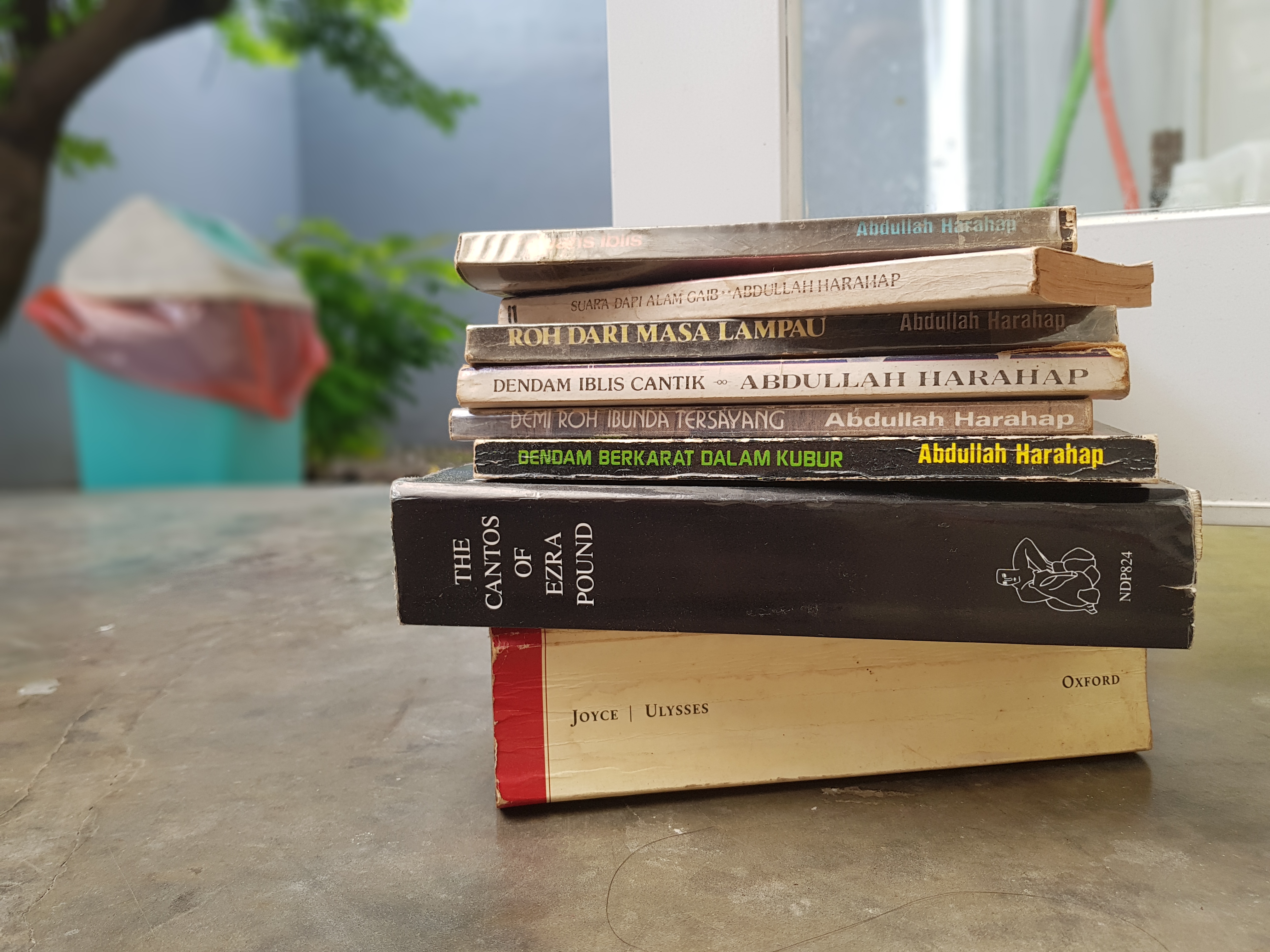
i’ve been feeling totally uninspired for what seems like what centuries? so i’m taking all my cues from nike and pépé and this time i gonna lose my copulas wakakak aka blog about my personal reading experience. (((personal reading experience))) <– what the fuck’s that, sounds so stiff, must be hangover from my day job. maybe i meant, “am i still reading books or is line today too addictive?” so ya, me gonna take up pépé’s challenge even if nike’s already done it to perfeksyon. what they said? great poets steal? excuses excuses excuses.
“Btw bosque ide dung buat blogmu: your reading experience/habit,” so said pépé. hmmm.
i learned how to read on my own one summer in jogobayan, madiun, from one of those ubiquitous abjad/belajar membaca posters that all orba kids are all too familiar with.
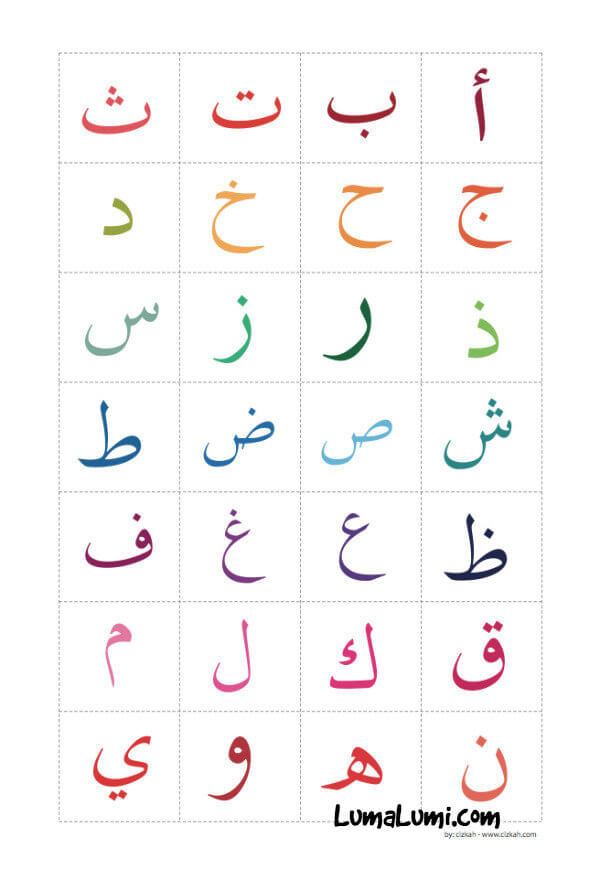
zzz that’s for the millennials. hang on let me try that again.
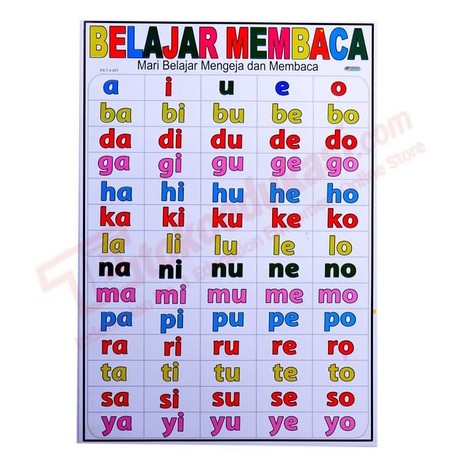
not vintage enough but whatevs. too lazy too advance search too sexy and i know it.
the first reading materials i could lay my hands on were my mum’s tempo, femina and kartini subscriptions. so it was that my #mikaelreadsforlyfe career started with obsessing about tempo’s kriminal pages, femina’s… everything, kartini’s agony tante letters and this curious column i can’t remember the name of (also in kartini). it’s basically porn disguised as heartbreaking love stories. i remember vividly to this day one about a transexual looking for mr. right after her sex reassignment surgery (in bangkok) and another one about a man who caught his 7-month-pregnant wife fucking his best friend. the thing was that this guy first saw them fucking (WOT) when he came home from work a bit early and the window to their bedroom was slightly ajar. he didn’t barge into the room but stayed outside and watched the whole thing like the sick peeping tom that he was. then he kept doing it until his wife gave birth. then he wrote about it and sent it to kartini. (!!!)
(does anyone remember the name of this column)
and then rumah kecil di rimbabesarpadangrumputditepisungaiplummusimdinginyangpanjangditepidanauperakdjokolelonomylaf trio detektif lima sekawan empat serangkai st clare’s malory towers stop (that scene when they skinny dipped in a lake – HAWT) etcetcetc #mikaelreadscozheboredofvillagelyfestartofborzuaphase
me and me mum used to go to toko boxy in pasar kawak madiun (she driving her biru donker suzuki jimny with yellow decal on its roof) once every month to pick up the latest installment in the rumah kecil series, which was being released for the first time in indo by bpk gunung mulia, ave, gratia plena, dominus tecum, benedicta tu in tokobukuribus. o the tears of anguish when it wasn’t there (“telat ketoke cik”) in its special tall glass case, a new 0.5 boxy pen in its place! hhhrrrggggh.
those books were all in language.
the first english book i read was an illustrated version of stephen king’s pet sematary that my mum bought for me when i started my les inggris at elti kotabaru in jogja. i guess i was in year 5 then? i didn’t understand everything (most things) but i read thru it anyway becoz gengsi.
fast forward to when i was 16 and had just moved to CBR, straya. i had only just finished the full unabridged, no-illustration, version of pet sematary then but still scoffed at being put in an esl class and marched my way into the regular english class when they were reading fucking macbeth.
doube, double, toil and trouble! fuck that shit i ain’t reading these “mirthless jokes and wild ravings!” so i just watched the video that i rented from video ezy. polanski’s version. lady macbeth was fucking hot.
and so began my let’s just watch the video i can’t be bothered reading these doorstoppers career. chronicle of a death foretold, mr. darcy #1, mr. darcy #2, mr. darcy #3, lovely bones (great peter jackson adaptation!), brokeback mountain (you’ve all seen that and yes, i know it’s a cerpen), etcetcetc.
ffwd to 2018. i still can’t get into latin american lit, not for all the writers in residency in mexico city, not for all marjin kiri’s excellent translations, i hardly ever read indo fiction, though manifesto flora makes me so happy, and most of the times i can’t distinguish between aan mansyur quotes and pseudo-profound quotes.
so yeah, sue me. i’m watching the cricket.
lit progens
terpicu (btw, sejak kapan “terpantik” mulai membunuh “terpicu” pelan-pelan?) oleh post nike, aku juga jadi ingin bercerita tentang orang-orang (ada juga sih yang bukan orang) yang bikin aku jadi ingin membaca, entah mulai membaca, atau membaca sesuatu yang lain, atau membaca hal-hal yang sama dengan cara yang berbeda.
list berikut in no particular order:
1. penny joy
ini guru sma-ku di narrabundah college, canberra. sekolah ini sekolah eksperimental yang membolehkan murid-muridnya ngapain aja bahkan take drugs asal outside school grounds. jadi cricket oval di sebelah jadi tempat favorit buat punch cones atau munch on acid blots. kemudian kembali ke kelas untuk mengikuti lesson world lit bersama penny joy. penny wasn’t that good of a teacher sebenernya, i never really learnt anything from her. pas kelas dua dan harus ganti guru, namanya bev hamilton, guru tipe governess yang menyetir mobil fiat unonya pakai sarung tangan kulit dan who actually told us what modernism was, where pound got his idea for imagism from, what did mr darcy really represent, i was like, wow, i’m actually learning something! tapi i don’t know, i kinda liked penny’s attitude to literature. she was the one who dragged all her students to sit through a reading by another english teacher at the school, geoff page, di sebuah trip ke south coast untuk kelas theory of knowledge (narrabundah juga menyediakan kelas filsafat ini tiap kamis siang buat nerds yang terlalu malas ikut kelas olahraga). geoff was a nice guy, i liked his approaches to lit class, but i didn’t know then he was actually one of australia’s greatest poets! like ever! aku baru tahu itu setelah lulus dari narrabundah. i was totally stoned waktu dengerin geoff membaca puisi-puisinya dengan suaranya yang pelan dan logat aussienya yang kental buat standar canberra, but i remember i was kinda enyoing it. (temanku alex hampir menghentikan pembacaan ini dengan memecahkan kaca jendela shed tempat geoff membaca karena dia mengetoknya terlalu keras (he was so stoned dia pikir itu pintu).) penny juga yang dengan entengnya bilang dia nggak sepenuhnya mengerti objective correlatives dalam puisi-puisinya eliot sebenernya apaan. dia juga membiarkan aku bikin presentasi tentang paradigm shift dengan contoh penataran P4. dia juga yang mengajak anak-anak nonton aja telemovie chronicle of a death foretold daripada baca bukunya. dia juga yang mengajak anak-anak meneriakkan “things fall apart! things fall apart! things fall apart!” at the top of our lungs di dalam kelas. entah apa gunanya itu untuk lebih mengerti chinua achebe, tapi “things fall apart!” did become a catchphrase for us kids for the next two years, to be employed whenever we needed it, or whenever we didn’t. entah kenapa, penny justru membuatku ingin membaca buku-buku yang dia malas ajarkan. since she never told us what prufrock was all about, not only did i memorize the poem by heart, aku juga jadi mencari di perpustakaan buku-buku tentang objective correlatives eliot. dia juga membuat lit jadi sesuatu yang bukan-sakral, aku jadi bisa menonton film macbeth (versi polanski karena lady macbethnya so bae — it’s a playboy production no wonder!) tanpa merasa bersalah kenapa aku ga baca bukunya (dan akhirnya jadi ingin sendiri baca bukunya setelah menonton filmnya). that reading by geoff page juga akhirnya jadi momen penting dalam bagaimana aku mengembangkan pandanganku tentang puisi. it’s a lonely job, no one ever pays attention, but somebody’s gotta do it. penny juga pernah membawa anak-anak ke sebuah hutan pinus untuk menulis esei tentang i can’t remember what, tapi aku juga jadi belajar dari dia, there’s so much more to life than a desk, pen and paper (waktu itu kami belum selalu menulis semuanya di komputer). i don’t know, i suppose her blasé, and yes, joyless attitude about lit was just the thing i needed at an impressionable age when i was just starting to seriously think about taking myself too seriously.
2. andrew cox
andrew adalah vokalis band dari brisbane, the fauves. dari namanya aja kita udah tahu, pasti artsy, mungkin fartsy. tapi ternyata band-nya kocak, walaupun usahanya untuk ngepop secara kaffah sebenernya bentuk sebuah kehiperintelektualitasan juga. lirik-lirik lagunya memang poetic (“dogs are the best people”, “don’t get death threats anymore”, “understanding kyuss” — “crank it up i really like that bit, fuck that riff sounds really sick” (sing it in an aussie accent and the half-rhyme between “bit” and “sick” really jumps at ya)), tapi aku belajar banyak tentang menulis dan secara tidak langsung (atau langsung sih kalau kayak gini?) tentang membaca — if you know how to write then you know what to look for when you read — justru dari zine yang dulu dia produksi secara sporadis berjudul “shred” (judul ini ditulis dengan greek font di sampulnya). i used to spend every morning at the nsw state library before i began my research into my soon-to-be-abandoned phd reading shred and working out how andrew writes his sardonic reflections on band life. salah satu artikel di shred ada yang membahas tentang nicholson baker, penulis cerpen/novel amerika, yang terkenal dengan novel/la “the mezzanine” yang ceritanya cuma tentang seorang kantoran yang tali sepatunya lepas terus mau beli tali sepatu baru pas makan siang, tapi dipanjang-panjangin banget (i loved it). dari situ aku jadi baca hampir semua buku nicholson baker, selain the mezzanine ada juga novella lagi, “room temperature”, dengan strategi yang sama, cuma kisah seorang bapak berusaha menyusui anaknya pakai botol (ofkors) tapi berlembar-lembar. juga ada “double fold”, buku nonfiksinya tentang what we’re gonna miss when we digitize all books (!). (“double fold” adalah test yang dilakukan pengarsip buat menentukan kertas sudah terlalu fragile atau tidak, dilipat dua kali kayak waktu kita nandain halaman buku, ke depan dan ke belakang, kalau kertasnya robek berarti udah perlu didigitalisasi.) tapi yang akhirnya paling berpengaruh dalam hidupku adalah membaca “u & i”, tribute nicholson baker ke john updike, lit progenitor dia, di mana dia cerita tentang setiap kali dia mau menulis, terutama sebuah metafor atau figure of speech apalah, ternyata john updike udah pernah menulis hal yang sama. sebuah kisah horor tragedi and the individual talent, haha. nah di buku ini ada satu frase dari updike yang diquote oleh baker yang kemudian bukan hanya membuat gue obsessed with updike for years, tapi juga led me… to poetry! sampai sekarang aku masih inget: “vast dying sea of boredom”. awalnya aku, sama seperti baker, terobsesi dengan anatomi frase ini, sebuah laut yang gede banget, maybe a samudera, tapi dah mau metong, but not quite the dead sea, karena bosen. sebuah samudera busuk penuh kebosanan. sebuah samudera kebosanan yang dying. is that poetry? i didn’t know. but it made me obsessed with language, with trying to collect similar beautiful turns of phrase — aku masih inget dave eggers’ “parachute pants of your soul” — dan, eventually, with making ones of my own. later on, aku sadar, poetry is not about making up stuff, let alone making up pretty phrases (hello adimas immanuel), tapi i wouldn’t have gotten here without sailing slowly through this vast dying sea of boredom of being obsessed with purple prose.
3. anya rompas
my wife. lewat dia aku menemukan kembali ketertarikan akan theory. gara-gara tiga tahun belajar filsafat yang entah kenapa dalam ingatanku isinya filsuf jerman semua (that dill dilthey! zzz hermeneutics germ-eneutics!), aku lama jadi alergi dengan theory. a crock of shit lah. tapi mendengarkan kadang-kadang istriku yang tidak banyak bicara di meja sarapan dengan tenang dan dengan suaranya yang melodious dan pikirannya yang runut membedah anything dari sekar ayu asmara sampai jakarta dengan teori-teori gothic aku nggak bisa tidak terpesona. she so pretty. eh. she showed me how important theory can be bahkan, atau malah especially, in a world so chaotic like the one i’m living in right now. (hello ciledug, hello cemput.) jadi aku baca aja semua buku-buku gothic theory dia, dari primer “gothic” fred botting sampai “the dead mother: the work of andré green”. yang terakhir ini lebih psychoanalysis sih, dan ternyata anya punya banyak banget buku tentang psychoanalysis, “on private madness” salah satu kaporitku. aku juga jadi baca banyak novel gothic yang jadi bacaan wajib dia waktu kuliah s2 (the monk! more madness!). aku pikir lucu waktu itu wah ternyata istriku yang cantik mempesona is obsessed with madness, the ugly, unseen side of us peeps. tapi ini ternyata sangat membantuku mengerti dia saat years later she had a nervous breakdown, sampai masuk ugd dua kali, dan kemudian didiagnosa dengan bipolar, awalnya non-spesifik, kemudian type 2. it all makes sense, her fall into madness, when it happened, reminded me so much of all the crazy stuff that happened to matilda in the monk. but one thing, maybe this is a bit of an exaggeration, but having tried to work out how her mind works while reading all the books she has in her collection, terutama buku-buku teori dan novel gothic dan teori-teori psychonalysis, sangat membantuku mengerti dia waktu mengalami breakdown, dan strangely, membuatku calm dan tidak merasa takut menghadapi kondisi yang gilak gilak gilak itu (pun always already intended). no worries, i’ve seen all this happened in the monk!
4. superdenim
it’s a denim forum on superfuture. aku pernah bekerja buat majalah a+ di tahun 2000-an dan aku ingat pernah bikin tulisan tentang superfuture, tentang the brave new world of supershoppers (ngekos kamar mandi luar di setiabudi, tapi tiap tahun ke nagri). years later, dalam my eternal search for the perfect pair of denim, i ended up on this forum. sebenernya asiknya dari forum ini adalah aku jadi bisa lari dari dunia buku, buku, buku, musik, film, buku, buku yang mendominasi hidupku. aku bisa vague out for hours just looking at pics of denim fadez. selain itu aku juga jadi develop skills membaca majalah lightning in japanese tanpa pernah belajar kanji wkwkwku. dan selain itu semua, yang paling penting mungkin aku jadi membaca banyak, mengerti, dan mempercayai konsep wabi-sabi dan mono no aware. a bit trendy, tapi buatku yang konsumeristik (that supershopper was moi!) ini beneran membantu. aku pernah punya vespa warna biru telur metalik yang kunamai tante sophie dan tadinya aku hampir jadi gila (dan bangkrut) mencoba menjaganya agar tetap kinclong (sama kayak tante sophie berusaha setengah mati menjaga kemurnian darah belanda-perancis dinastinya!) padahal setiap hari commute ciledug-blok m (mono, not aware! sama kayak tante sophie yang hobinya dipijet dan makan rujak di kasur). setelah aku melihat sendiri the evolution of a pair of jeans from raw to “habis darahnya” is inevitable, aku jadi gak sesetres itu lagi.
5. endang johani
my mum. waktu aku kecil, sampai umur 9, dia seorang dokter umum di kajang kemudian jogobayan di madiun coret. dia berlangganan bobo, bimba, femina, kartini, dan tempo. favoritku cerita si ipul di bimba, cerita-cerita curhat di kartini (yang aku paling ingat seorang suami yang mengeluh dia memergoki dari balik jendela istrinya yang sedang hamil ngewi sama cowok lain, tapi dia gak berani negur. (mending kirim aja surat pembaca ke kartini!) kemudian kolom kriminal tempo, omg, best writing ever. remember misteri pembunuhan peragawati dietje oleh mystery man “pakde”? selain itu ibuku, aku memanggilnya mama, juga membawaku naik jip jimny biru donker berstrip kuning di atapnya, nyetir sendiri, ke sebuah toko atk di pasar kawak di madiun kota yang menjual cuma satu judul buku, seri rumah kecil. waktu itu seri ini baru mulai diterjemahkan (halo djokolelono mai laf) dan diterbitkan oleh bpk gunung mulia, jadi setelah membeli rumah kecil di rimba besar kami suka datang ke toko itu berharap-harap bahwa judul selanjutnya sudah sampai ke madiun dan kalau ternyata belum terus beli pensil 2b atau setip. sebagai anak ndeso yang sekolah di kota aku super relate banget dengan segala insecurities laura ingalls. lucunya, bertahun-tahun kemudian aku membeli lagi semua buku di seri rumah kecil ini, masih dengan sampul yang sama, dari toko buku pusat bpk gunung mulia di kwitang (buku-bukunya disimpan di bagian bacaan sekolah minggu), dan setelah membaca semuanya kembali aku baru sadar, laura! all those insecurities turned you into such a bitter bitch! *ngaca*
IOU
the night is decrepit. tempus, fuck it. i needed to know, now, i know. come closer. justice for the nonce, meng? cor, blimey. quiz me on vices, orthodoxies, proprieties, o seed of love!
the pier is rotting, your pretty feet, a saving grace. banish me to the realm of letters, imbibe regret with every oxford comma. nona, je ne regrette rien. pick a closure, better yet, no, not yet. quick, to the zoo, the elephants are crushing foxes!
xanadu, what brings you? amazing pout you concoct out of thin air. why quit this play of shadows, i’m salivating still. thou shalt not, kill kill kill!

